
Looking for
Uterine Fibroid Treatment in East Africa?
What is Uterine Fibroid?
Uterine fibroids (also known as leiomyomas or myomas) are non-cancerous (benign) growths made of smooth muscle and connective tissue that develop in or on the wall of the uterus. They vary greatly in size—ranging from microscopic nodules to large masses that can distort the uterine cavity and alter the shape or size of the uterus.
While many conditions like varicose veins and venous pooling involve faulty valves in the lower limbs, pelvic venous and vascular disorders require equally specialized, minimally invasive approaches. Just as interventional radiology offers non-surgical solutions for venous conditions and varicoceles, Uterine Fibroid Embolization (UFE) provides a revolutionary, uterus-sparing alternative to traditional open surgery or hysterectomy.
Causes of Uterine Fibroid
Hormones: Both estrogen and progesterone—the two hormones that stimulate development of the uterine lining during each menstrual cycle—appear to promote the growth of fibroids. Fibroids contain more estrogen and progesterone receptors than normal uterine muscle cells do, and they tend to shrink after menopause when hormone production drops.
Genetic Factors: Fibroids often run in families. Women with a mother or sister who had fibroids are at a significantly higher risk of developing them.
Growth Factors: Substances that help the body maintain tissues, such as insulin-like growth factor (IGF), may affect fibroid growth.
Extracellular Matrix (ECM): The material that makes cells stick together can accumulate in fibroids, causing them to feel fibrous and stiff while storing growth factors.
The exact definitive cause of uterine fibroids remains multifaceted, but medical research points to several key contributing factors:
Stages and Grading of Uterine Fibroid
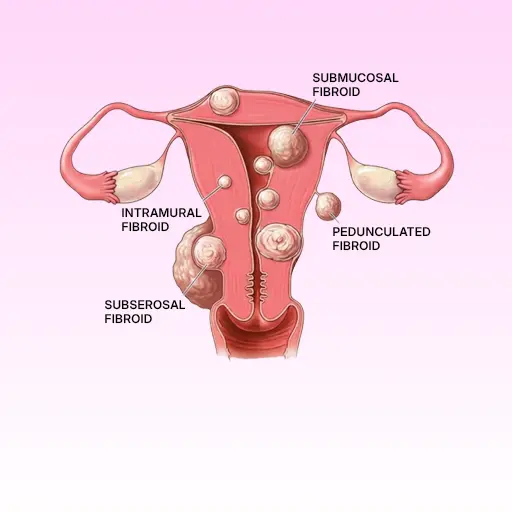
Rather than numerical stages like cancer, physicians classify uterine fibroids based on their anatomical location and position within the uterus, which dictates the severity of symptoms:
Intramural Fibroids
The most common type, developing within the muscular wall of the uterus. They can expand and make the uterus feel larger than normal.
Subserosal Fibroids
Grow on the outside surface of the uterus (the serosa) and can sometimes develop a stem-like base (pedunculated fibroids), pressing against nearby organs like the bladder or rectum.
Pedunculated Fibroids
A specific type of subserosal (or sometimes submucosal) fibroid that grows on a slender stalk-like base (peduncle). Because they are attached by a stalk, they can sometimes twist on themselves (torsion), causing sharp, acute pain that requires prompt medical attention.
Submucosal Fibroids
Bulge into the main cavity of the uterus. Though less common, they tend to cause the most severe heavy menstrual bleeding and impact fertility.
Cervical Fibroids
Formed within the walls of the uterine cervix rather than the body of the uterus.
Symptoms of Uterine Fibroid
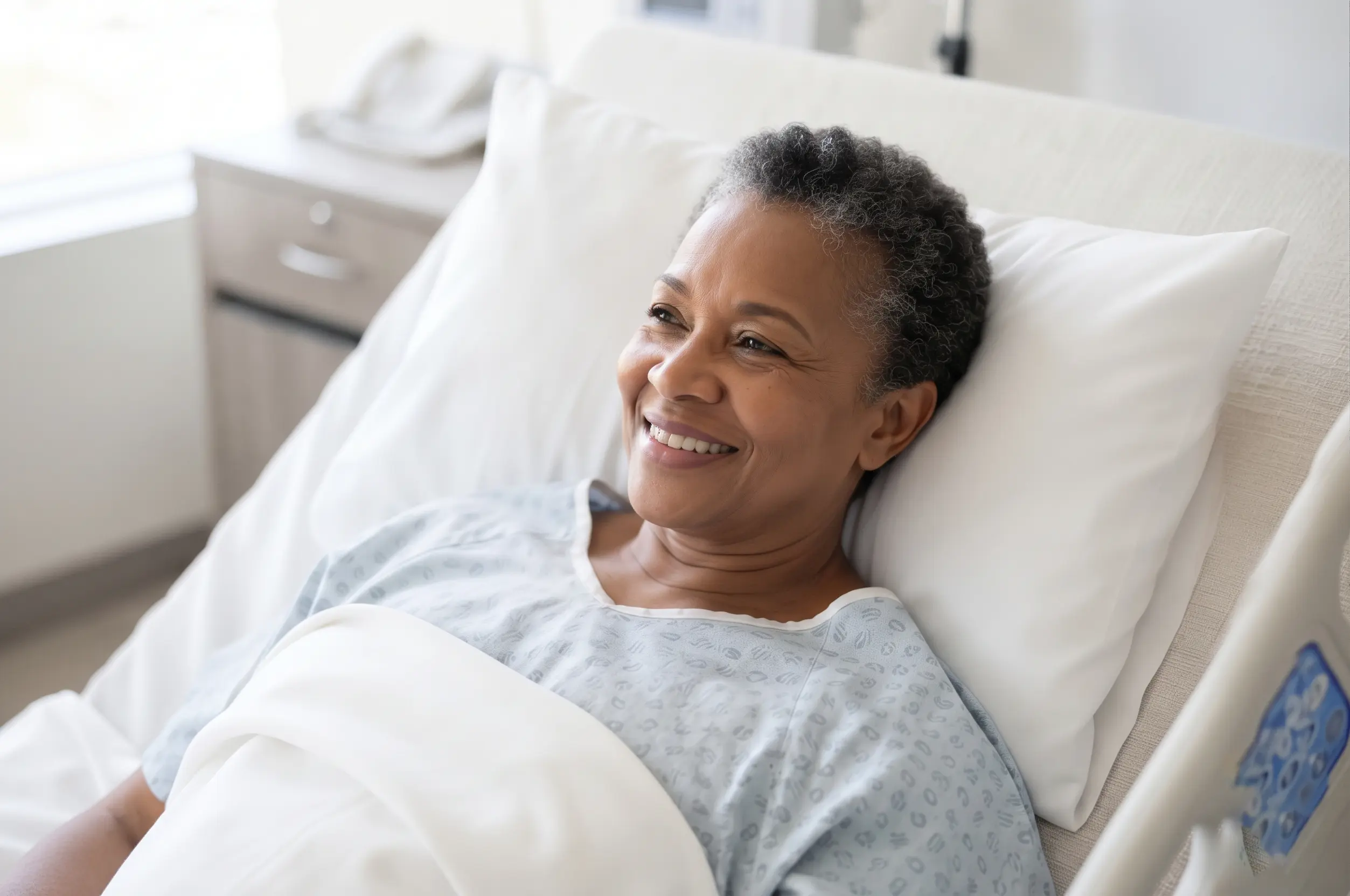
While some women experience no symptoms at all, many suffer from debilitating quality-of-life impacts depending on the size, number, and location of the fibroids. Common symptoms include:
Heavy or Prolonged Menstrual Bleeding: Periods lasting longer than a week, excessive blood loss, or passing blood clots (frequently leading to iron-deficiency anemia).
Pelvic Pressure and Pain: A chronic dull ache, heavy pressure in the pelvis or lower back, and abdominal distension.
Urinary Dysfunction: Frequent urination or a feeling of incomplete bladder emptying caused by fibroids pressing against the bladder.
Constipation or Rectal Pressure: Discomfort caused by pressure on the bowels.
Reproductive Challenges: Fertility struggles, recurrent miscarriages, or pregnancy complications.
How to Get Rid of Varicoceles – The Right Way
Uterine fibroids aren’t just a minor inconvenience — they’re a medical problem. Relying on unproven herbal teas, unregulated supplements, or miracle home remedies cannot shrink or eliminate fibroid tumors. These “quick fixes” waste valuable time, give false hope, and allow symptoms like chronic pain and severe anemia to worsen.
The only reliable way to manage uterine fibroids is through a comprehensive medical evaluation, pelvic ultrasound, or MRI performed by a qualified specialist. Modern, advanced treatments can:
Find and target the root cause of symptoms
Provide long-term relief without invasive surgery
Preserve your uterus and protect your overall health
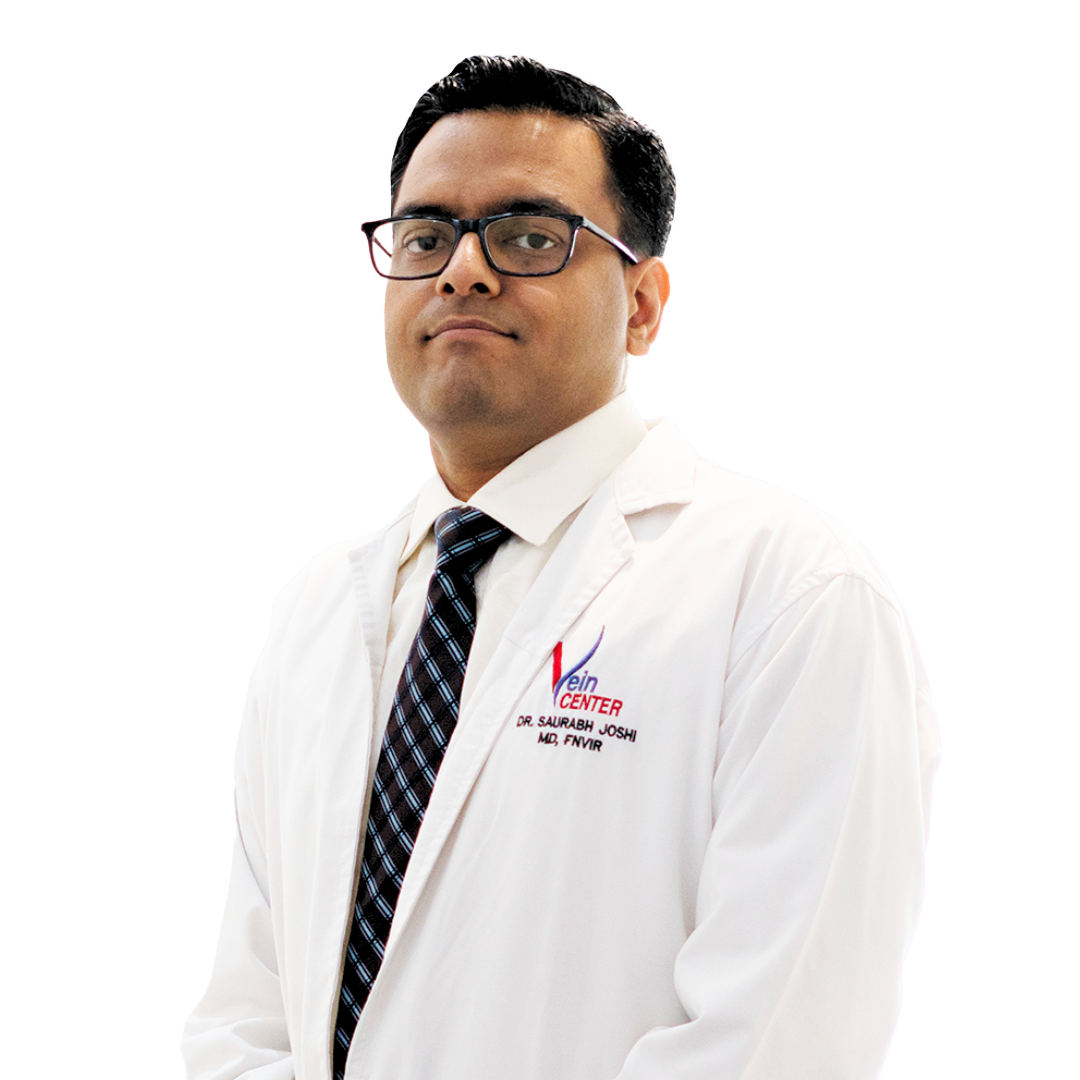
Dr. Saurabh Joshi
Dr. Saurabh Joshi is a renowned vascular and interventional radiologist with over 18 years of expertise in diagnosing and managing complex vascular and pelvic diseases using the latest, minimally invasive procedures and technologies. He has successfully performed thousands of treatments, including Endovenous Laser Treatment (EVLT), Radiofrequency Ablation (RFA), Sclerotherapy, Uterine Fibroid Embolization (UFE), and Varicocele Embolization. In recent years, he has focused extensively on advanced image-guided embolization procedures—offering patients a quick, safe, and stitch-free recovery.
As the Founder and Medical Director of The Vein Center, Dr. Joshi leads a dedicated team committed to protocol-based, compassionate care. His work extends beyond India—he is also the driving force behind The Vein Center Tanzania, bringing world-class vascular and minimally invasive treatments to East Africa and ensuring patients there have access to the highest standards of care.
In addition to running The Vein Center, Dr. Joshi is associated with several leading hospitals in Mumbai, including Kokilaben Dhirubhai Ambani Hospital Navi Mumbai, ACI Cumballa Hill Hospital, and Dr. Bhanushali Hospital Thane. His excellence in the field has been recognized internationally, winning three prestigious awards, including the Venartis Phlebology Award (2018).
Senior Vascular Specialist
Vascular Surgeon & Interventional Radiologist
(MBBS, MD, FNVIR, MBA)
The Modern Alternative to Surgery: Uterine Fibroid Embolization
Historically, treating symptomatic fibroids required open surgery such as a myomectomy or a complete hysterectomy—procedures involving general anesthesia, abdominal incisions, and weeks of painful recovery.
Today, advanced interventional radiology offers a non-surgical solution known as Uterine Fibroid Embolization (UFE). Performed by a vascular specialist, UFE cuts off the blood supply feeding the fibroids from the inside. Without blood flow, the fibroids naturally shrink and soften, while healthy surrounding uterine tissue continues to receive normal blood supply.
Advantages of Embolization
As vascular and interventional specialists, we favor minimally invasive embolization techniques because they offer profound clinical and lifestyle benefits compared to open surgeries:
Uterus-Preserving: Unlike a hysterectomy, UFE preserves the uterus and leaves future reproductive potential intact for women wishing to conceive.
No Surgical Incisions: No scalpels, surgical cuts, or stitches are required in the abdomen, resulting in no surgical scarring.
Avoids General Anesthesia: Performed under twilight/conscious sedation, avoiding the risks and grogginess associated with general anesthesia.
Rapid Recovery: While traditional open surgery or hysterectomy can require 4 to 6 weeks of difficult recovery, UFE patients typically return to normal, non-strenuous daily activities within 7 to 10 days.
What to Expect After the Procedure
- Treats Multiple Fibroids Simultaneously: Whether a patient has a single fibroid or multiple masses throughout the uterus, all can be treated at the same time during a single session.
Immediate Post-Procedure: Mild to moderate cramping (similar to severe menstrual cramps) is common in the first 24 to 48 hours as the fibroids lose their blood supply. This is safely managed with prescribed pain medications provided by our care team.
Rest and Recovery: Most patients take about a week to rest at home before resuming work and light routines.
Symptom Relief: Significant reduction in heavy bleeding and pelvic pressure typically becomes noticeable within the first one to two menstrual cycles, with progressive shrinkage of the fibroids observed over 3 to 6 months.
Book an Appointment
Online Consultation is Available
Whether you are dealing with heavy menstrual bleeding, pelvic pressure, or other symptoms of uterine fibroids, accurate diagnosis is the first step toward lasting relief.
If you are experiencing symptoms of uterine fibroids or wish to explore whether minimally invasive Uterine Fibroid Embolization (UFE) is right for you, schedule a consultation with our vascular and interventional team today.